

Best POS System for Cafe Melbourne: Top 5 Tips
Finding the right POS system for cafe Melbourne is one of the most practical decisions a cafe owner will make. Whether you’re running a busy espresso bar in Fitzroy, a brunch spot in South Yarra, or a neighbourhood cafe in the outer suburbs, the technology behind your counter shapes how smoothly every service runs. The wrong system creates friction — slow checkouts, inventory headaches, staff frustration. The right one quietly supports your team so they can focus on the customer in front of them.
This guide walks through what Melbourne cafe operators should actually look for when choosing a POS solution, and what questions are worth asking before you commit.
Why Cafe POS Needs Differ From General Retail
A cafe operates differently from a clothing boutique or a hardware store. Your team is taking orders, managing a kitchen or coffee queue, processing multiple payment types, and tracking stock that has a short shelf life — all at the same time. A general retail POS might handle transactions well enough, but it won’t manage table layouts, split bills, or send orders directly to your barista station.
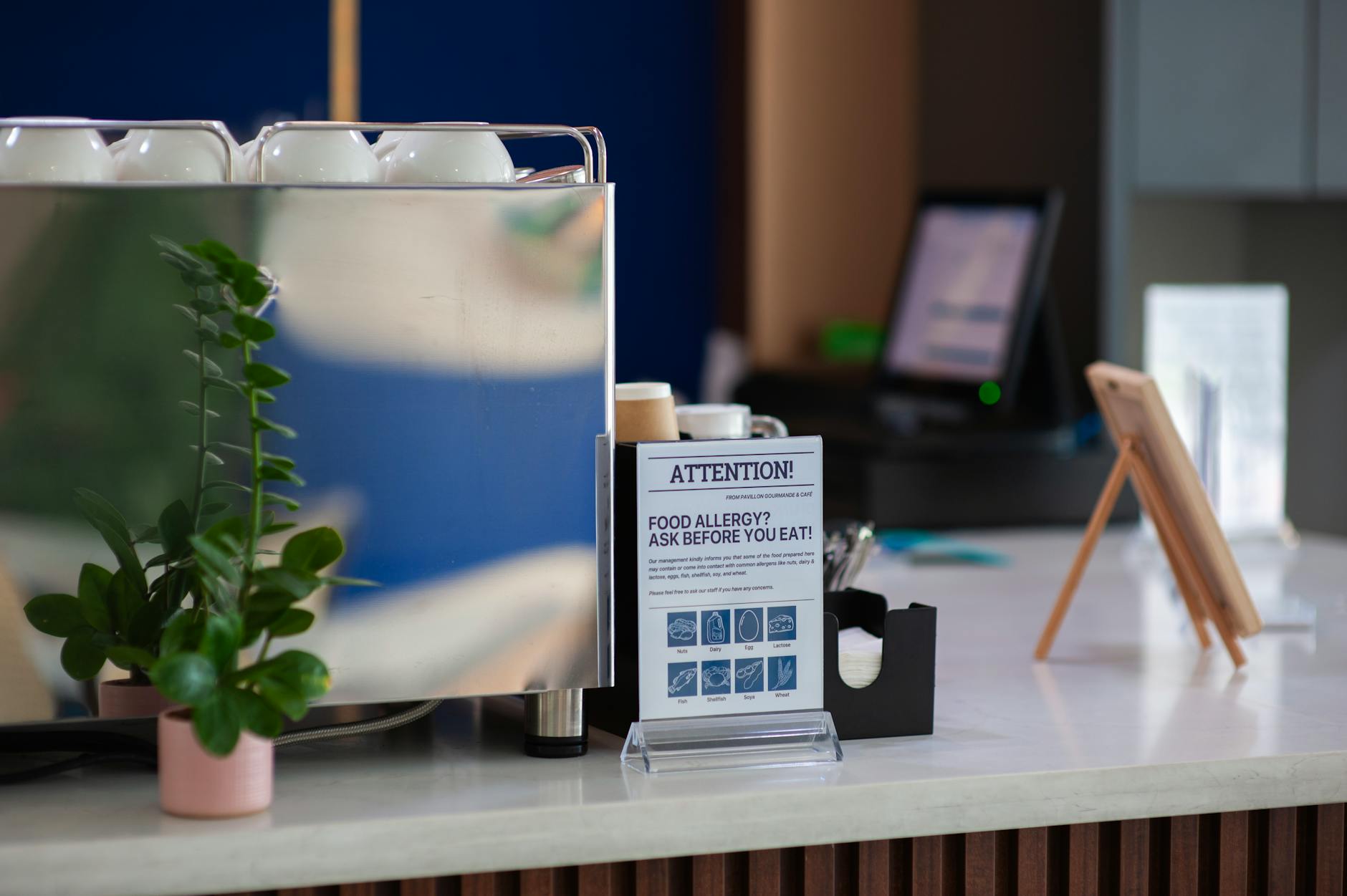
Hospitality-specific POS software is built around these workflows. Look for systems that handle table management, modifier options (like milk substitutes or extra shots), and kitchen display integration without requiring complicated workarounds. Melbourne’s cafe culture is demanding — customers expect fast, accurate service, and your technology should support that expectation rather than slow it down.
Top 5 Tips for Choosing a POS System for Cafe Melbourne
1. Prioritise Ease of Use for Casual and Part-Time Staff
Most cafes rely heavily on casual workers, students, and part-time staff who rotate regularly. A POS system that takes hours to learn creates real problems during peak periods. Look for an intuitive interface with clear product categories, simple modifier prompts, and a straightforward end-of-shift process. If your Saturday morning casual can figure it out with minimal training, you’ve found a strong candidate.
2. Choose Cloud-Based Where Practical
Cloud-based POS systems (those that store data online rather than only on a local computer) offer genuine advantages for cafe owners. You can check sales reports from home, update your menu remotely before a shift, and recover data if something goes wrong with your hardware. They also tend to receive automatic software updates, which means you’re not managing IT maintenance on top of everything else.
That said, a cloud system should have offline functionality as a fallback. Melbourne’s CBD and inner suburbs generally have reliable connectivity, but a system that stops working entirely if your internet drops is a liability during a busy Saturday service. Always ask about offline mode before signing up.
3. Check Payment Integration and Surcharging Options
Australian consumers are increasingly accustomed to tap-and-go payments, and many expect EFTPOS to be seamless. Your POS should integrate directly with your payment terminal to avoid manual entry errors and speed up transactions. It’s also worth understanding how the system handles surcharging — under ACCC guidelines, surcharges must not exceed the actual cost of accepting that payment type, and your POS setup should make compliance straightforward rather than something you have to manage manually.
4. Look for Inventory and Waste Management Features
Food and beverage businesses face real pressure from ingredient costs, especially with the price volatility that’s affected hospitality businesses across Victoria in recent years. A good POS system tracks stock levels, flags low inventory, and can help you identify which menu items are profitable and which are quietly draining margin. Some systems integrate with accounting software like Xero, which simplifies bookkeeping and makes tax time considerably less stressful.
5. Understand the True Cost of Ownership
POS pricing can be deceptive. A low monthly subscription might not include hardware, support, or certain integrations. Before committing, get a clear picture of the total cost: hardware (terminals, receipt printers, card readers), software subscription fees, payment processing rates, and what support is included if something breaks. A system that looks affordable upfront can become expensive if you’re paying separately for every feature or waiting days for technical help during trading hours.
The Restaurant & Catering Industry Association of Australia provides useful resources for hospitality operators navigating these purchasing decisions.
Local Support Matters as Much as the Software
Technology fails. The question is what happens next. For Melbourne cafe owners, having a local support team that understands your business context makes a meaningful difference. A remote helpdesk in a different time zone that responds to tickets in 48 hours isn’t much use when your system goes down at 7am on a Monday.
TechCares supports cafe and hospitality businesses across Melbourne with both cloud-based and traditional POS solutions. Our team can advise on the right setup for your size and style of operation, help with installation, and provide ongoing support when you need it. We work with a range of trusted POS platforms and tailor recommendations based on how your specific business operates — not a one-size-fits-all approach.
If you’re looking for reliable point of sale solutions that are backed by genuine local expertise, we’re worth talking to before you make a decision.
Frequently Asked Questions
What is the best POS system for a small cafe in Melbourne?
There’s no single answer — the best system depends on your cafe’s size, service style, and budget. Key priorities for a small cafe are ease of use, solid payment integration, and reliable support. Cloud-based systems tend to suit smaller operators well because they reduce the need for on-site IT infrastructure. TechCares can help you compare options suited to your specific setup.
Do I need a separate kitchen display system with my POS?
Not always, but if your cafe has a separate preparation area or you’re regularly managing multiple orders at once, a kitchen display system (KDS) — a screen that shows orders in real time for kitchen staff — can significantly reduce errors and speed up service. Many modern POS platforms support KDS integration, and it’s worth considering if your current workflow relies heavily on handwritten dockets or shouted orders.
Can a POS system help me manage cafe stock?
Yes. Most hospitality-grade POS systems include inventory tracking features that let you monitor ingredient usage, set low-stock alerts, and reduce waste over time. The depth of these features varies between platforms, so if stock management is a priority for your cafe, it’s worth specifically testing this functionality before committing to a system.
Is a cloud POS system safe to use for my cafe’s financial data?
Reputable cloud POS providers use encrypted data storage and comply with Australian data handling standards. As with any cloud software, it’s sensible to check the provider’s security certifications and data storage location. Most established platforms store data on Australian or regionally compliant servers, but it’s a fair question to ask directly before signing up.
Ready to Find the Right POS for Your Melbourne Cafe?
Choosing a POS system for cafe Melbourne is a decision worth getting right the first time. The wrong system costs you time, money, and staff patience. The right one becomes something your team barely thinks about — because it just works.
TechCares supplies and supports POS solutions for cafes and hospitality businesses across Melbourne. We take the time to understand your operation before recommending anything, and we’re here for the long term — not just the sale. Contact us today to discuss what the right POS system for cafe Melbourne looks like for your business, or explore our reliable point of sale solutions to learn more about what we offer.
Learn more: reliable point of sale solutions

Professional Email Setup Melbourne | TechCares
Need a professional email setup Melbourne businesses can rely on? TechCares configures Microsoft 365, Google Workspace & custom email hosting. Get started today.
Read More
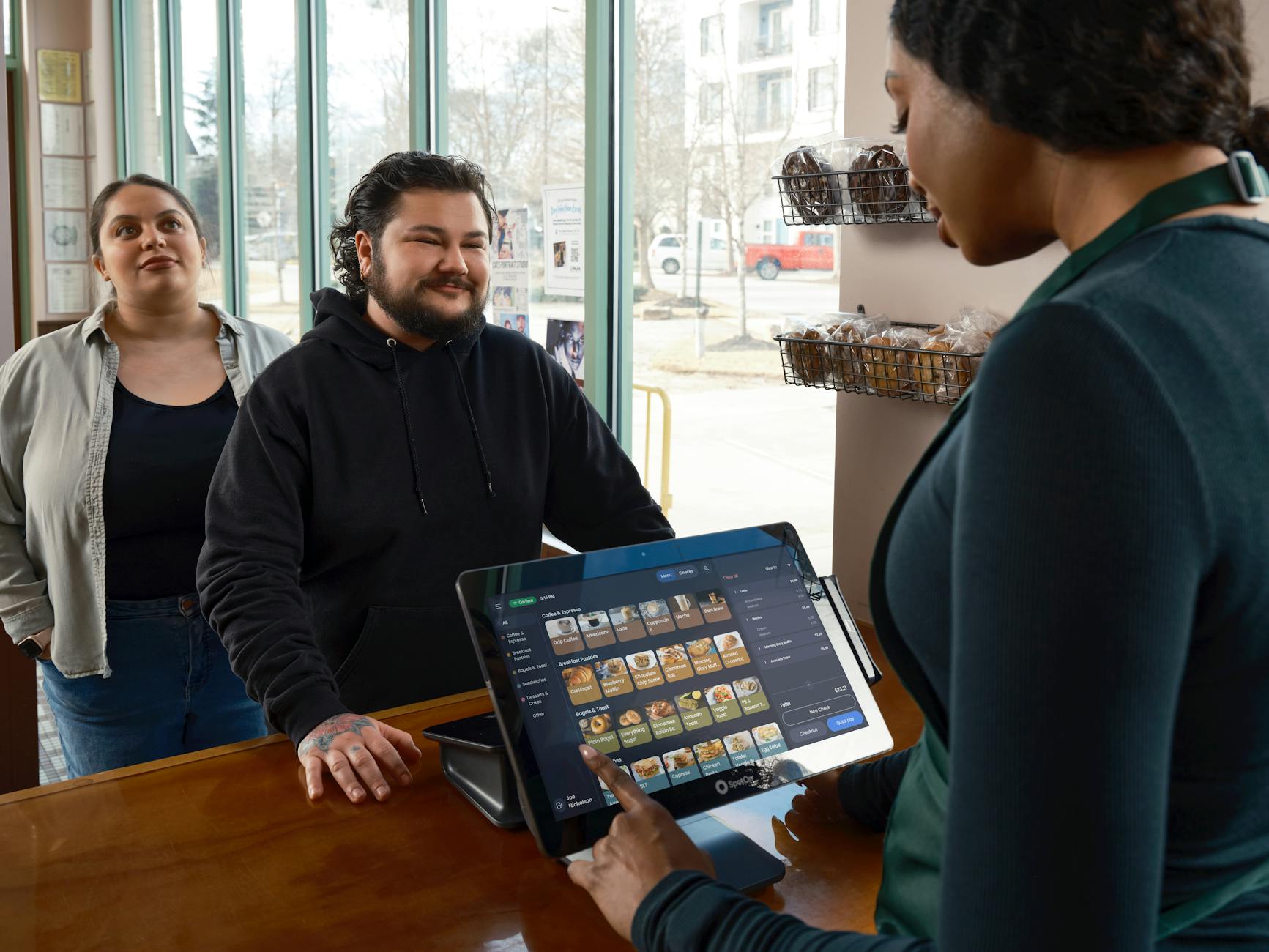
Best POS System for Cafe Melbourne: Top 5 Tips
Choosing the right POS system for cafe Melbourne can transform how you serve customers. Discover what to look for and how TechCares can help. Get in touch today.
Read More
Cloud Backup Solutions for Small Business
Protect your business data with reliable cloud backup solutions for small business. Contact TechCares in Melbourne for expert IT support today.
Read More
Microsoft 365 Copilot for Small Business Melbourne
Is Microsoft 365 Copilot for small business Melbourne worth it? Read our honest review and find out how TechCares helps you get set up with confidence.
Read More
IT Support for Small Business Melbourne
Looking for reliable IT support for small business Melbourne? TechCares offers proactive managed IT, cybersecurity and cloud solutions. Get in touch today.
Read More

Managed IT Services Melbourne | TechCares
Looking for managed IT services in Melbourne? TechCares delivers proactive IT support, cybersecurity and cloud solutions. Contact us today for a free consultation.
Read More
Point of Sale Software Melbourne | TechCares
Looking for point of sale software in Melbourne? TechCares supplies and supports POS systems for retail and hospitality. Get in touch for a free consultation.
Read More

Business WiFi Setup for Office | TechCares Melbourne
Need a reliable business WiFi setup for your office? TechCares helps Melbourne businesses get connected properly. Contact us today for expert IT support.
Read More