

POS System Melbourne: What to Look For and How to Choose Right
Choosing a point of sale (POS) system for your Melbourne business is one of those decisions that looks straightforward until you’re deep into comparing features, pricing models and support options. This guide covers what genuinely matters when selecting a point of sale system for a Melbourne business — whether you run a busy Brunswick café, a Richmond retail boutique or a multi-location restaurant group.
What Is a POS System and Why Does It Matter?
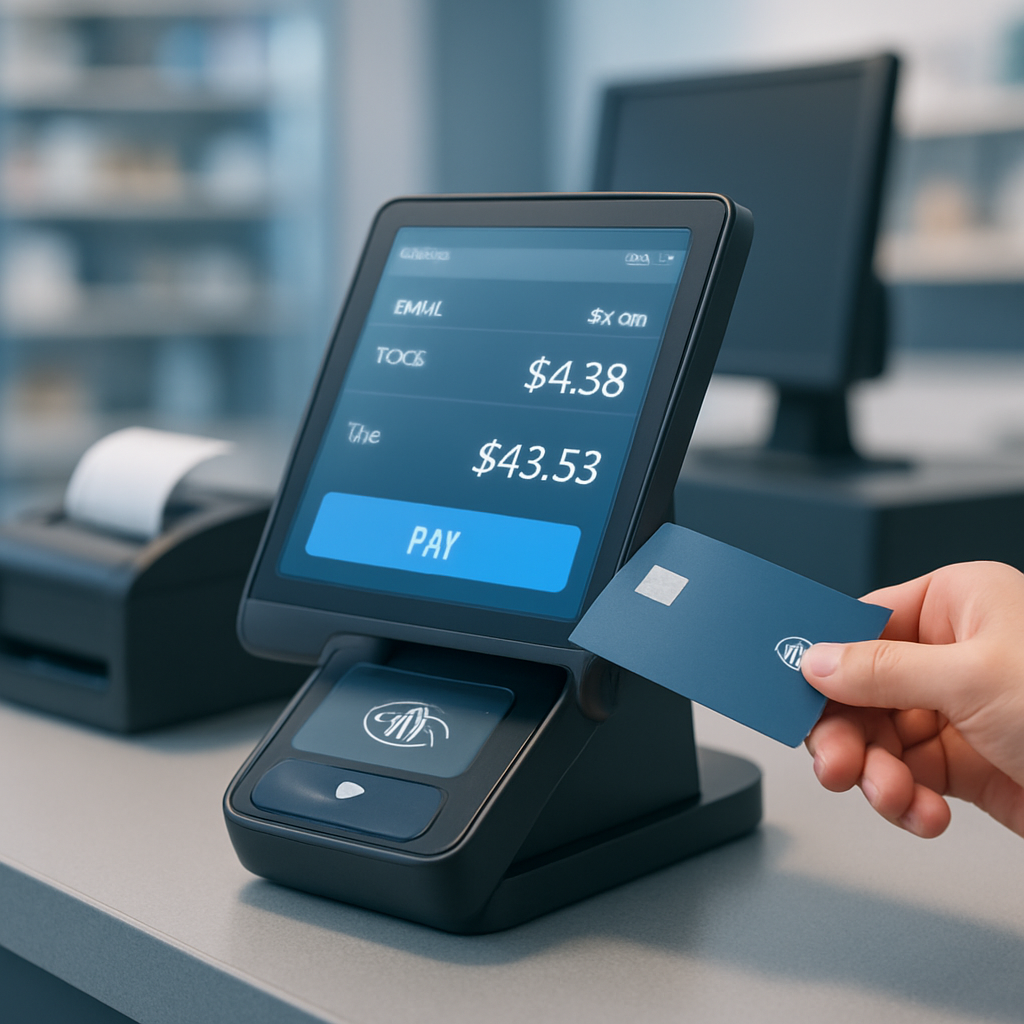
A POS system is the combination of hardware and software that processes sales transactions. In its most basic form, that means a screen, a receipt printer and a cash drawer. In practice, modern POS systems do considerably more — they track inventory, manage staff, integrate with accounting software and handle EFTPOS payments in a single workflow.
For Melbourne businesses in particular, the pace of trade can be demanding. Melbourne has one of the highest concentrations of cafés and hospitality venues in Australia, and the retail environment across suburbs like Fitzroy, South Yarra and the CBD is competitive. A slow or unreliable POS system doesn’t just frustrate staff — it frustrates customers at the moment they’re ready to spend.
Cloud-Based vs Traditional POS: Which Suits Your Business?
This is usually the first real fork in the road. A traditional (or on-premise) POS stores data locally on your hardware. A cloud-based POS stores data online and can be accessed from anywhere with an internet connection.
Cloud POS Melbourne Businesses Are Adopting
Cloud POS systems have grown in popularity across Melbourne’s hospitality and retail sectors. The main appeal is flexibility — you can check your sales figures from home, update your menu remotely, or add a new terminal without a technician visiting. Subscription pricing (usually monthly) also means lower upfront costs, which suits newer businesses or those managing cash flow carefully.
The trade-off is internet dependency. If your venue loses connectivity during a busy Friday dinner service, you need a system with offline functionality that syncs when the connection returns. Not all cloud POS platforms handle this equally well, so it’s worth asking specifically before you commit.
Traditional POS for Stability
For some established retail operations with stable setups and a preference for owning their hardware outright, a traditional POS still makes sense. Upfront costs are higher, but ongoing fees can be lower. The decision often comes down to how often your business changes — menus, locations, staffing structures — and how much remote access matters to you.
EFTPOS Integration and the Australian Payment Environment
Any POS system you consider for a Melbourne business needs to handle EFTPOS payments cleanly. In Australia, surcharging rules are governed by the Reserve Bank of Australia, and businesses must comply with regulations around what can and cannot be passed on to customers. A well-integrated POS system should make it straightforward to configure surcharges correctly, keep transaction records clear and reconcile payments at end of day without manual work.
Integrated EFTPOS — where the POS and payment terminal communicate directly — reduces manual entry errors and speeds up the checkout process. This matters more than it might seem in a high-volume environment like a Melbourne laneway café handling hundreds of transactions across a Saturday morning.
Key Features Worth Prioritising
Not every business needs every feature. But there are a few capabilities that have become standard expectations for many Melbourne hospitality and retail businesses:
- Inventory management — real-time stock tracking that flags low levels and reduces over-ordering
- Table and floor management — essential for restaurants and bars managing multiple covers
- Staff management and permissions — track hours, set access levels and manage shift handovers
- Loyalty and customer accounts — particularly relevant for retail businesses building repeat trade
- Reporting and analytics — daily, weekly and product-level sales data without needing a separate spreadsheet
- Accounting integration — compatibility with Xero or MYOB saves significant time at BAS and tax time
The features you actually need depend on your business model. A food truck has different requirements to a multi-room restaurant or a fashion retailer. Getting clarity on your own workflow before comparing systems will save you time and prevent you from paying for functionality you’ll never use.
Local Support: Why It Matters More Than You’d Think
Software can look impressive in a demo. What you can’t always assess upfront is what happens when something goes wrong at 7pm on a Saturday when you have a full house and your POS has stopped responding.
Working with a supplier that has local support in Melbourne — real people available during your trading hours, not just an offshore help desk — makes a practical difference. Setup, staff training, hardware troubleshooting and software updates all go more smoothly when your provider understands the Australian market and can respond within your timezone.
TechCares is based in Australia and works with retail and hospitality businesses across Melbourne and regional Victoria. To see how TechCares supports Melbourne retail and hospitality POS setups, visit our POS Solutions page.
Frequently Asked Questions
How much does a POS system cost in Melbourne?
Costs vary significantly depending on the system, hardware requirements and number of terminals. Cloud-based POS software is often priced on a monthly subscription, which can range from around $50 to several hundred dollars per month depending on features and users. Hardware — terminals, receipt printers, scanners, cash drawers — adds to the upfront cost. Some providers bundle hardware and software; others sell them separately. It’s worth getting a detailed quote that covers both.
Can a POS system work without the internet?
Many modern cloud POS systems include an offline mode that allows transactions to continue processing locally if the internet drops out, then syncs data once connectivity is restored. The capability varies between platforms, so confirm this specifically if reliable internet isn’t guaranteed at your venue.
Do I need a separate EFTPOS terminal or can it integrate with my POS?
Integrated EFTPOS is generally preferable — it reduces manual errors and speeds up service. Most quality POS systems offered in Australia support integration with major payment providers. Your POS supplier should be able to advise on compatible terminals and any setup requirements under current RBA surcharging guidelines.
What POS systems work well for Melbourne cafés and restaurants?
Melbourne’s café and restaurant market moves quickly, so hospitality POS systems need to handle table management, kitchen display integration and split billing reliably. Cloud-based systems with strong offline functionality tend to suit busy venues well. TechCares can advise on options suited to your specific setup — explore TechCares POS solutions for your business type to find out more.
Ready to Find the Right POS System for Your Melbourne Business?
TechCares supplies and supports cloud-based and traditional POS systems for retail, hospitality and restaurant businesses across Melbourne and regional Victoria. Whether you’re setting up a new venue or replacing an ageing system, our team can help you find a solution that fits your operation — not just the one that’s easiest to sell.
Get in touch with TechCares or visit our POS Solutions page to request a quote or ask questions about what’s right for your business.

Professional Email Setup Melbourne | TechCares
Need a professional email setup Melbourne businesses can rely on? TechCares configures Microsoft 365, Google Workspace & custom email hosting. Get started today.
Read More
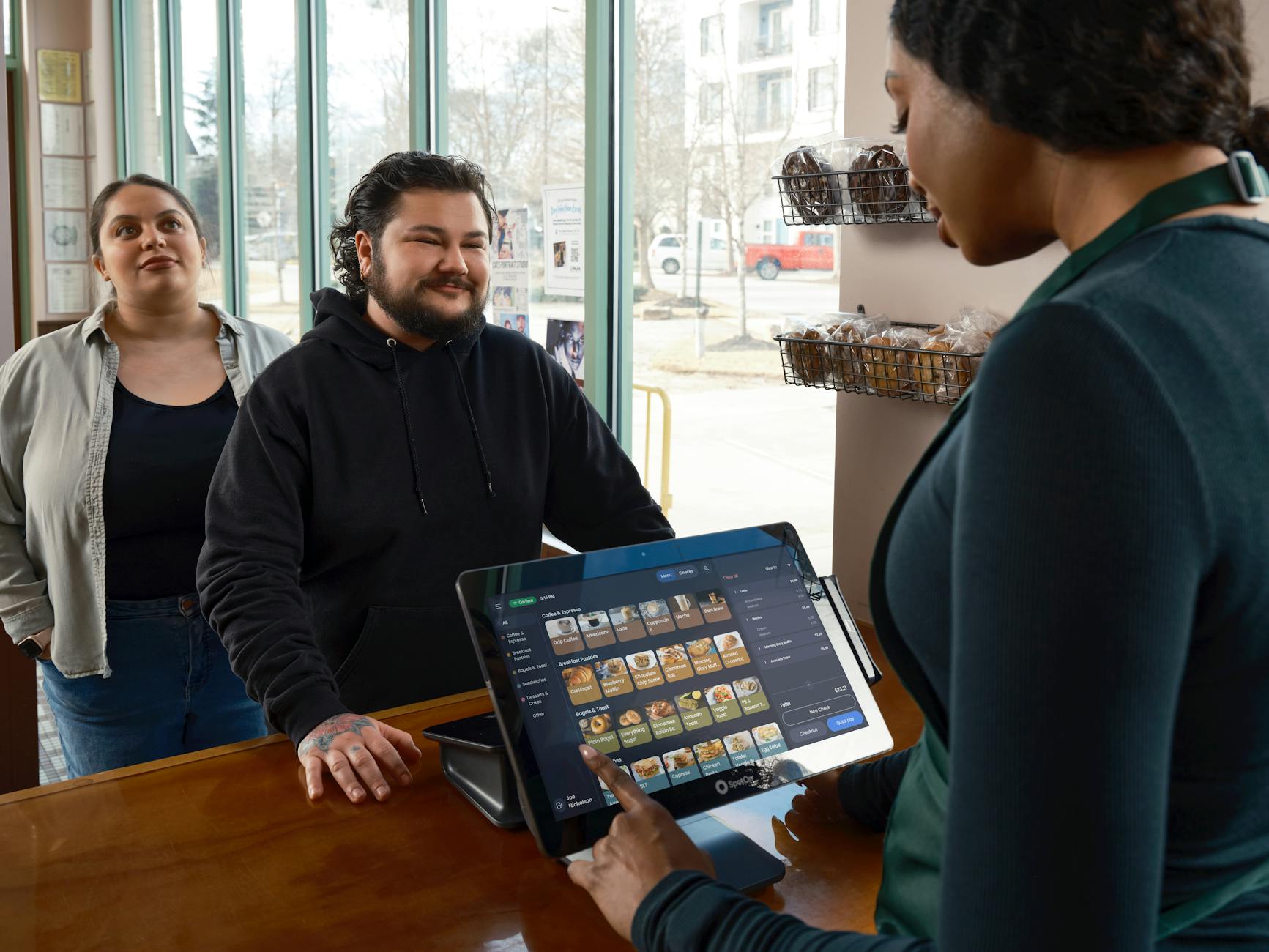
Best POS System for Cafe Melbourne: Top 5 Tips
Choosing the right POS system for cafe Melbourne can transform how you serve customers. Discover what to look for and how TechCares can help. Get in touch today.
Read More
Cloud Backup Solutions for Small Business
Protect your business data with reliable cloud backup solutions for small business. Contact TechCares in Melbourne for expert IT support today.
Read More
Microsoft 365 Copilot for Small Business Melbourne
Is Microsoft 365 Copilot for small business Melbourne worth it? Read our honest review and find out how TechCares helps you get set up with confidence.
Read More
IT Support for Small Business Melbourne
Looking for reliable IT support for small business Melbourne? TechCares offers proactive managed IT, cybersecurity and cloud solutions. Get in touch today.
Read More

Managed IT Services Melbourne | TechCares
Looking for managed IT services in Melbourne? TechCares delivers proactive IT support, cybersecurity and cloud solutions. Contact us today for a free consultation.
Read More
Point of Sale Software Melbourne | TechCares
Looking for point of sale software in Melbourne? TechCares supplies and supports POS systems for retail and hospitality. Get in touch for a free consultation.
Read More

Business WiFi Setup for Office | TechCares Melbourne
Need a reliable business WiFi setup for your office? TechCares helps Melbourne businesses get connected properly. Contact us today for expert IT support.
Read More